
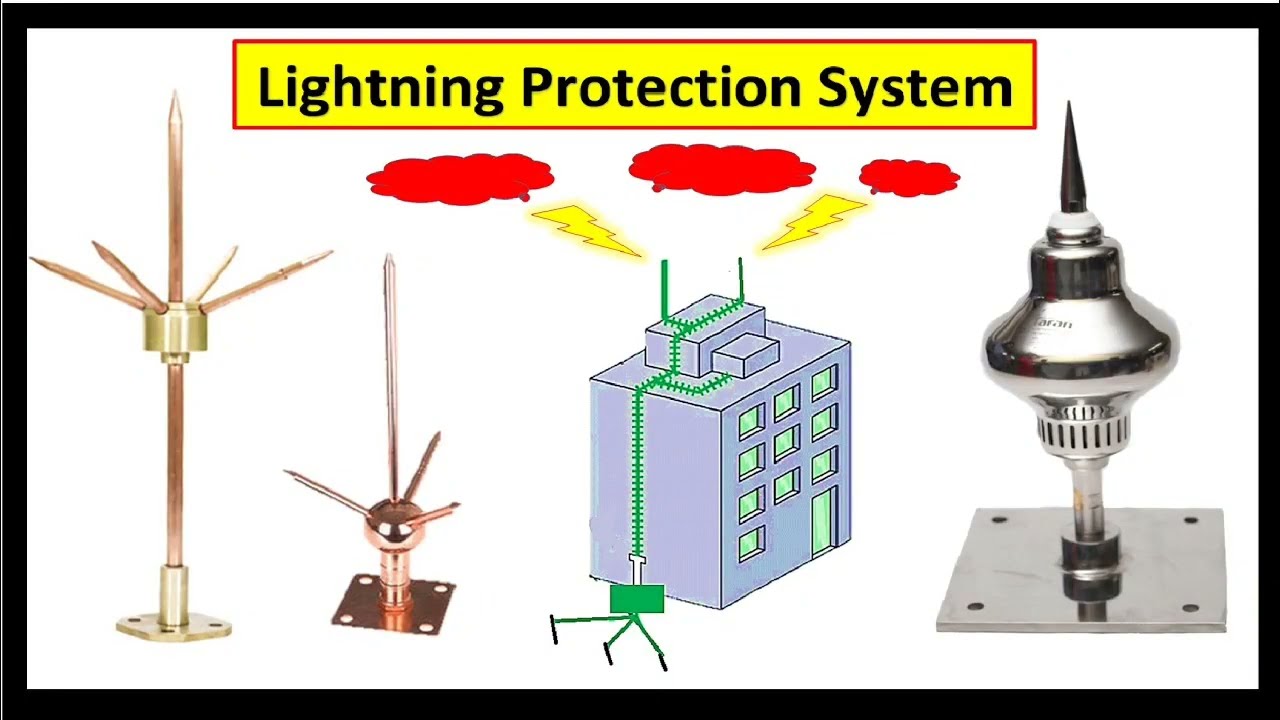
Working Principle of ESE Lightning Arresters
Lightning is a powerful natural event that can cause serious damage to buildings, electrical systems, and human life. To reduce this risk, lightning arresters are installed to guide lightning energy into the ground safely. A lightning arrester serves as a protective device, providing a safe and low-resistance path for high-voltage lightning surges.
In this blog, we will explain the working principle of ESE (Early Streamer Emission) lightning arresters in a simple and easy way. We will also discuss different types of lightning arresters, the benefits of ESE technology, and where it is commonly used.
What Is a Lightning Arrester?
A lightning arrester is a safety device designed to protect structures and electrical systems from lightning strikes. When lightning hits, it produces very high voltage. If this voltage enters a building, it can damage wiring, machines, and appliances.
Lightning arresters work by directing this extra voltage safely into the earth using a grounding system. This helps prevent fires, equipment damage, and electric shocks.
Types of Lightning Arresters
There are different kinds of lightning arresters used today. Each type works in a different way and has its own advantages.
1. Rod Gap Arresters
Rod gap arresters are one of the earliest forms of lightning protection devices. They consist of two metal rods placed close to each other with a small air gap in between.
When lightning causes a sudden rise in voltage, the air between the rods becomes charged and allows electricity to pass through. This creates a path for the surge to go to the ground.
Limitations:
Rod gap arresters are low in cost, but they take more time to react and need a higher voltage to start working. Because of this, they are less commonly used today.
2. Metal Oxide Lightning Arresters
Metal oxide arresters are widely used in modern electrical systems. They are made using zinc oxide blocks placed between metal plates.
When lightning strikes, these zinc oxide blocks quickly allow current to pass and send the surge safely into the ground. Once the surge ends, the arrester returns to its normal state.
Advantages:
They react very fast and offer good protection for electrical equipment.
3. Early Streamer Emission (ESE) Lightning Arresters
ESE lightning arresters are advanced devices designed to protect a wider area. They work differently from traditional arresters by acting before lightning strikes.
ESE arresters create an early upward electrical path that attracts lightning and safely directs it into the earth. Because of this feature, they can protect larger spaces using fewer devices.
Working Principle of ESE Lightning Arresters
ESE lightning arresters work on the concept of early streamer emission. A streamer is a thin electrical channel formed in the air just before a lightning strike happens.
An ESE arrester is installed at the highest point of a building or structure. It is connected to a strong grounding system that leads directly into the earth.
When storm clouds form overhead, the electric field in the air becomes very strong. As this electric field increases, the ESE arrester becomes active.
How the Process Works:
- Electric Field Detection
The ESE arrester senses a rise in electric field strength caused by approaching lightning. - Early Streamer Release
The device releases an upward streamer earlier than nearby objects. This streamer reaches toward the lightning in the sky. - Lightning Capture
Because the streamer appears early, lightning is attracted to the ESE arrester instead of nearby structures. - Safe Discharge to Ground
The lightning energy travels through the arrester and grounding system safely into the earth.
This process helps protect buildings, equipment, and people from direct lightning strikes.
Importance of Proper Installation
For an ESE lightning arrester to work correctly, installation is very important.
- The arrester should be placed at the highest point of the structure.
- It must be higher than nearby objects such as antennas or towers.
- The grounding system must have low resistance so lightning energy flows easily into the earth.
- Installation should follow national and international safety standards.
Advantages of ESE Lightning Arresters
ESE lightning arresters offer many benefits compared to traditional systems.
1. Cost-Effective Solution
ESE systems protect a large area using fewer components, reducing overall installation costs.
2. Wide Protection Radius
One ESE arrester can cover a larger zone than conventional lightning rods.
3. Low Maintenance
These arresters are built to withstand harsh weather and require very little maintenance.
4. Fast Response Time
ESE arresters react early, reducing the chance of lightning hitting the structure.
5. Easy Installation
They are simple to install and do not require complex equipment.
Limitations to Consider
Although ESE lightning arresters are effective, certain points must be considered:
- Proper grounding is essential for safety.
- Coverage depends on height and correct placement.
- Performance may vary based on environmental conditions.
Following correct installation guidelines helps overcome these limitations.
Applications of ESE Lightning Arresters
ESE lightning arresters are used in many areas where lightning protection is important.
Residential and Commercial Buildings
Installed on rooftops to protect homes, offices, and shopping complexes.
Industrial Plants
Used to protect factories, machinery, and storage areas from lightning damage
Telecommunication Towers
Essential for safeguarding mobile towers, radio stations, and broadcast equipment
Airports
Installed on control towers and airport buildings to ensure safety during storms
Conclusion
ESE lightning arresters provide a modern and reliable solution for lightning protection. By releasing an early streamer, they attract lightning safely and guide it into the ground before damage can occur.
They are cost-effective, easy to install, and suitable for many applications. When properly designed and installed, ESE lightning arresters help protect lives, buildings, and valuable equipment.
For safe and effective lightning protection solutions, Ennob offers reliable systems designed to meet industry standards and long-term safety needs.
An ESE (Early Streamer Emission) lightning arrester is a lightning protection device that releases an early electrical streamer to attract lightning safely. It captures lightning before it strikes a structure and transfers the energy through a grounding system into the earth.
The main function of an ESE lightning arrester is to attract lightning early and safely transfer its energy into the ground, preventing damage to buildings, equipment, and people.
Yes, ESE lightning arresters provide wider coverage, faster response, and better protection compared to conventional lightning rods when installed correctly.
An ESE lightning arrester should be installed at the highest point of a structure with a proper grounding system to ensure maximum protection.
Yes, ESE lightning protection is safe and effective when designed and installed according to international lightning protection standards.


